Baby Easter Box: A Whimsical Typeface for Spring Designs
The first sight of spring blossoms often inspires a wave of creativity, calling for designs that feel fresh, joyful, and celebratory. Capturing this specific seasonal sentiment requires more than just pastel colors; it demands typography with personality. This is where a unique asset like Baby Easter Box enters the modern graphic design landscape, offering a specialized solution for projects that need an instant touch of festive charm.
Understanding the Visual Impact of Thematic Fonts
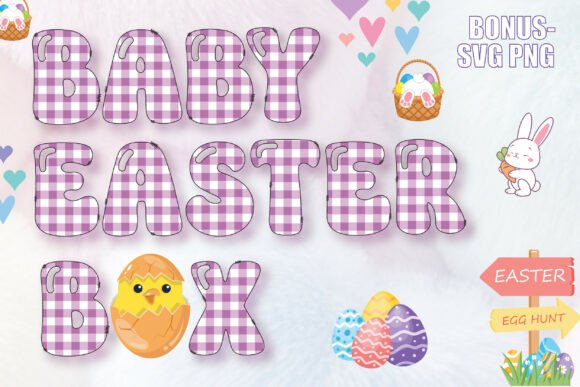
In visual design, typography is a primary vehicle for mood and message. A font like Baby Easter Box, characterized by its thick, bubbly letterforms filled with a classic purple and white gingham pattern, immediately establishes a "boutique" aesthetic. This goes beyond simple text; it becomes an integrated visual element that communicates whimsy, tradition, and seasonal joy. For designers and creators, understanding how such a font contributes to visual hierarchy is key. Its bold, patterned nature makes it ideal for headlines, logos, and call-to-action text where capturing attention is paramount.
Effective brand identity often relies on consistent and evocative visual cues. For businesses in the gifting, boutique, confectionery, or event planning sectors, incorporating a typeface like this into seasonal branding can strengthen recognition and emotional connection. It tells customers that a brand pays attention to detail and celebrates the same moments they do, enhancing the overall user experience and brand perception.
Practical Applications for Creative Projects
The true value of a creative asset is measured by its versatility across different mediums. Baby Easter Box is ideally suited for a range of applications where its unique pattern and form can shine. Consider its use in these common design workflows:
- Marketing Materials & Social Media Graphics: Create scroll-stopping posts, story templates, and digital ads for Easter promotions. The font’s playful vibe is perfect for engaging audiences on platforms like Instagram and Pinterest.
- Print-on-Demand & Merchandise: Its design is optimized for sublimation and heat transfer vinyl (HTV) projects. This makes it a practical choice for creating custom t-shirts, tote bags, mugs, and nursery wall art with crisp, vibrant results.
- Event Branding & Signage: From egg hunt invitations to festive table numbers and directional signage, the font adds a cohesive and charming touch to any seasonal event, ensuring a professional presentation.
- Packaging Design & Editorial Layouts: Use it for product labels on spring-themed goods, gift tags, or as a decorative headline in digital magazines and blogs to inject seasonal flair into editorial design.
Tips for Effective Implementation
While a distinctive font is a powerful tool, its effectiveness depends on thoughtful application. To maintain readability and a polished look, follow these best practices:
- Pair with Simplicity: Balance the bold, patterned nature of Baby Easter Box with clean, simple sans-serif or serif fonts for body text. This creates a clear visual hierarchy and prevents visual clutter.
- Consider Color Palette: The font’s built-in purple and white gingham is a strong color statement. Build your broader design palette around it, using complementary or neutral colors to let the typography remain the focal point.
- Scale Appropriately: Due to its detailed pattern, this font is best used at larger sizes for headlines and logos. At very small sizes, the gingham pattern may become unclear, compromising legibility.
- Align with Audience Expectations: Ensure the whimsical, boutique style aligns with your target audience and brand voice. It’s perfect for playful, family-oriented, or craft-focused brands but may not suit corporate or minimalist aesthetics.
Ultimately, the selection of creative assets is a fundamental part of the design workflow. A resource like Baby Easter Box provides more than just letters; it offers a ready-made visual style that can accelerate project timelines and ensure a high-quality, thematic result. By choosing typography that aligns with design goals and audience expectations, creators and businesses can produce more impactful, cohesive, and emotionally resonant work that stands out in a crowded visual landscape.