Lgbt Rainbow: A Modern Font for Vibrant Design
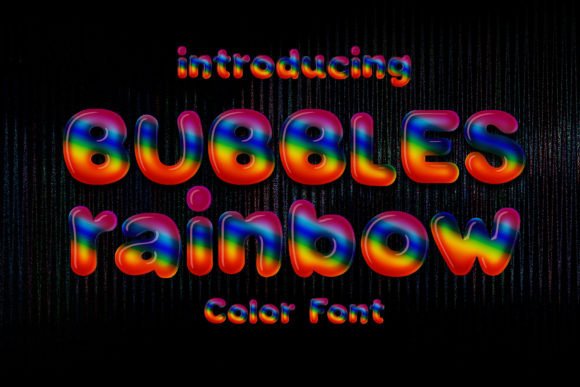
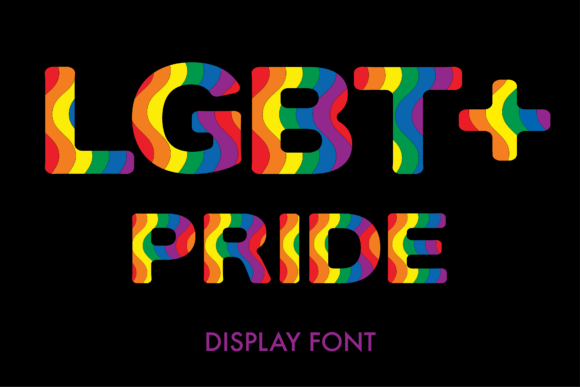
Imagine a typeface that doesn't just spell words but paints them with a spectrum of meaning and energy. This is the promise of Lgbt Rainbow, a modern and attractive color font designed to inject life and clarity into any creative project. Its distinct, well-balanced letters are crafted to be a versatile masterpiece, offering designers a powerful tool for making a bold visual statement.
Understanding the Visual Impact of Color Fonts
In the evolving landscape of graphic design, typography has transcended its purely functional role. While legibility remains paramount, modern aesthetics demand fonts that contribute to the overall visual hierarchy and emotional tone of a design. Color fonts like Lgbt Rainbow represent a significant design trend, integrating color directly into the glyph files. This allows for stunning visual effects without the need for complex layering or post-production editing, streamlining the design workflow for professionals.
Core Applications in Branding and Marketing
The primary strength of a font like Lgbt Rainbow lies in its ability to communicate values and energy instantly. Its vibrant, multicolored palette is inherently associated with diversity, pride, and celebration, making it an exceptionally thoughtful choice for specific branding and communication goals.
For businesses and organizations aiming to showcase inclusive values, this font can become a cornerstone of visual communication. Consider its use in:
- Logo Design & Brand Identity: A logo set in Lgbt Rainbow can immediately signal a brand's commitment to diversity and modernity. It works particularly well for community-focused organizations, event promoters, creative agencies, and lifestyle brands seeking a dynamic and inclusive identity.
- Campaigns & Social Media Graphics: During Pride Month or for ongoing awareness campaigns, this font ensures your message is visually cohesive and celebratory. It creates eye-catching headlines for social media posts, digital ads, and website banners that stand out in crowded feeds.
- Event & Editorial Design: From festival posters and conference badges to magazine headers and digital invitations, the font adds a layer of professional presentation and thematic resonance that monochrome typefaces cannot achieve alone.
Practical Tips for Effective Implementation
Integrating a specialized font into a design system requires thoughtful application to maintain balance and readability. Here are key considerations for using Lgbt Rainbow effectively:
- Prioritize Hierarchy and Contrast: Use this font for headlines, subheads, or key call-to-action phrases. Pair it with a clean, neutral sans-serif or serif font for body text to ensure excellent readability and a clear visual hierarchy.
- Evaluate Scalability and Context: Test the font at various sizes. Its detailed color gradients shine in larger displays but may lose definition in very small body copy. Always consider the final medium, whether it's a high-resolution screen, a printed brochure, or a small social media avatar.
- Align with Audience and Goals: Ensure the font's expressive style aligns with your project's tone and your audience's expectations. It excels in contexts where celebration, pride, and vibrancy are appropriate, but may not suit ultra-conservative or minimalist brand systems.
- Check Technical Compatibility: Verify that the color font format is supported by your design software and the intended output platforms, such as specific web browsers or printing methods, to avoid unexpected rendering issues.
Enhancing User Experience and Engagement
Beyond static branding, thoughtful typography significantly influences user experience (UX) and engagement. A strategically used color font can guide a user's eye, create moments of delight, and reinforce brand personality throughout a digital interface. In UI design, it can highlight interactive elements or success states. In packaging design, it can make a product leap off the shelf. The key is to use it as a deliberate accent, not an overwhelming feature, ensuring it enhances rather than detracts from the core message.
Ultimately, the tools a designer chooses define the visual conversation with the audience. Selecting a creative asset like Lgbt Rainbow is about more than just aesthetics; it's a decision to communicate with clarity, energy, and intention. By applying such resources thoughtfully, creators can elevate their projects from merely informative to truly resonant, forging stronger connections through the power of visual design.