The LGBTQ Alphabet: A Typeface for Inclusive Design
In the dynamic world of visual communication, typography is more than just letters on a page; it’s a powerful tool for storytelling and connection. The LGBTQ Alphabet, often referred to as the LGBTQ Font, is a specialized typeface that embodies the vibrant spirit of diversity, inclusivity, and celebration. For graphic designers, marketers, and creators, understanding this unique design asset is key to crafting messages that resonate deeply and authentically with a broad audience.
Understanding the Visual Language of the LGBTQ Alphabet
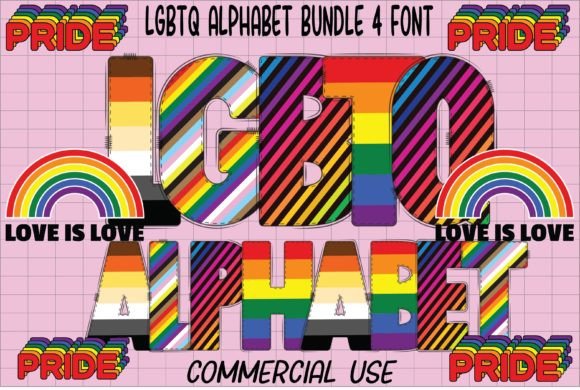
At its core, the LGBTQ Alphabet is a typographic design that visually represents the principles of the LGBTQ+ community. Its design often incorporates the iconic rainbow color palette, symbolizing the spectrum of sexual orientations and gender identities. Beyond color, the letterforms themselves are frequently stylized with fluid curves, bold angles, or playful elements that convey a sense of openness and movement. This design philosophy moves beyond traditional typography to create a visual language of equality, acceptance, and empowerment.
Key Design Elements and Their Significance
- Color Palette: The use of rainbow colors is a direct nod to the Pride flag, instantly communicating themes of diversity and joy. Some variations may also incorporate the pink, white, and blue of the transgender pride flag or other community-specific colors.
- Form and Shape: The letterforms often avoid rigid, geometric structures. Instead, they use organic shapes and flowing lines to represent the fluidity of identity and the evolving nature of gender and sexual expression.
- Symbolic Integration: Many versions subtly integrate symbols like the pink triangle, lambda, or interlocking gender symbols, adding layers of meaning for those familiar with the community’s history and iconography.
Practical Applications in Modern Design Projects
Incorporating the LGBTQ Alphabet into your creative projects can significantly enhance visual impact and audience engagement. Its inherent symbolism makes it a strategic choice for a wide range of applications where conveying messages of support, unity, and modern aesthetics is paramount.
Branding and Logo Design
For brands committed to inclusivity, this typeface can be a cornerstone of a brand identity. It can be used in logo design for LGBTQ+ organizations, community centers, or as a secondary font in the brand systems of ally companies during Pride Month and beyond. It helps build a visual identity that is instantly recognizable as supportive and welcoming.
Marketing and Social Media Content
In digital marketing and social media graphics, the LGBTQ Alphabet captures attention in a crowded feed. Use it for campaign headlines, event announcements, and promotional materials to signal inclusivity. Its vibrant nature enhances user engagement and helps content stand out, making it ideal for advertising campaigns and editorial design focused on diversity.
Digital and Physical Environments
From website design and UI design to packaging design and print materials, this typeface adds a layer of thoughtful representation. Consider it for:
- Event Collateral: Posters, banners, and merchandise for Pride events, parades, and festivals.
- Digital Products: App interfaces, presentation templates, and e-book covers that aim for a modern, inclusive feel.
- Physical Goods: T-shirts, stickers, tote bags, and other merchandise that celebrates community.
Tips for Effective Implementation
While the LGBTQ Alphabet is a powerful creative asset, its effectiveness depends on thoughtful integration into your overall design workflow. Here are key considerations for designers and creators:
- Prioritize Readability and Scalability: Ensure the font remains legible at various sizes, especially for body text or smaller digital interfaces. Test it across different mediums, from large-scale banners to mobile screens.
- Maintain Visual Hierarchy: Use this typeface strategically, often for headlines, logos, or accent text. Pair it with a clean, neutral sans-serif or serif font for body copy to maintain a professional presentation and clear visual hierarchy.
- Align with Audience and Goals: Understand your target audience. The font should feel authentic to the message and context. For formal corporate communications, a more subtle application might be appropriate, while community events can embrace its full vibrancy.
- Check Compatibility: Ensure the font’s color palette and style complement your existing brand color palette and design system. Cohesion is key to a polished result.
Choosing the right typography is a fundamental aspect of graphic design that influences mood, clarity, and connection. The LGBTQ Alphabet offers designers a unique tool to communicate values of diversity and inclusion visually and powerfully. By selecting and applying such thoughtful design assets, creators can elevate their work, foster genuine connection, and contribute to a more inclusive visual landscape in every project they undertake.